

| Parameter | Value |
|---|---|
| Diet | Omnivore |
| dKH | 8-12 |
| Maximum Size | 13 cm (5.1 in) |
| Minimum Tank Size | 30 gallons (114 L) |
| pH | 8.1-8.4 |
| Temperament | Semi-aggressive |
| Temperature | 72-82 F (22-28 C) |
| Weight | Approximately 25 g (0.9 oz) |
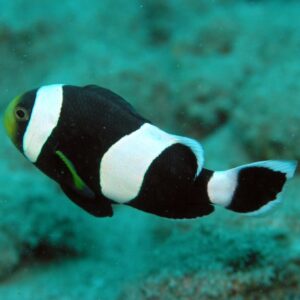
The Saddleback Clownfish (Amphiprion polymnus), also known as the Yellowfin Anemonefish, is a species of anemonefish with a distinctive saddle pattern. Like all anemonefishes it forms a symbiotic mutualism with sea anemones.
Distribution and Habitat
The Saddleback Clownfish is found in the center of the Indo-Pacific area, known as the Coral Triangle, from the Philippines to Indonesia and New Guinea. It is also found in northwestern Australia and the Ryukyu Islands of southern Japan.
Physical Description
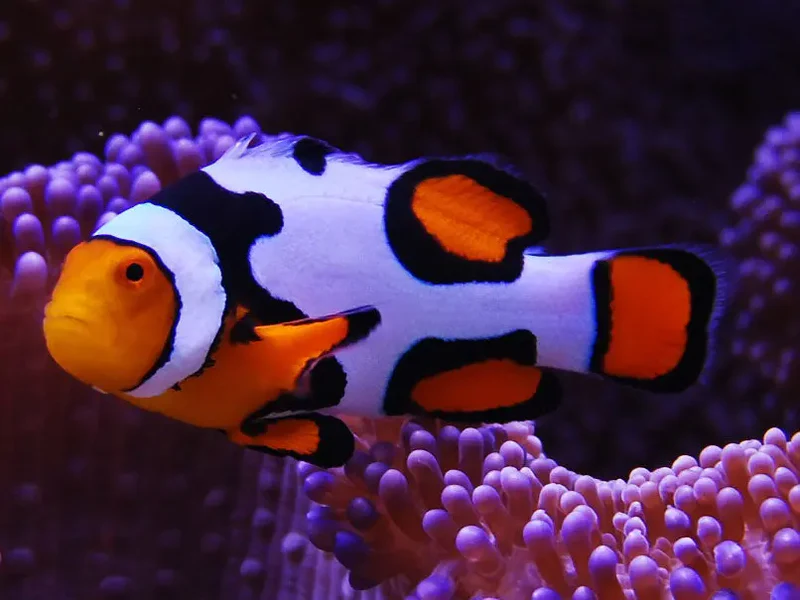
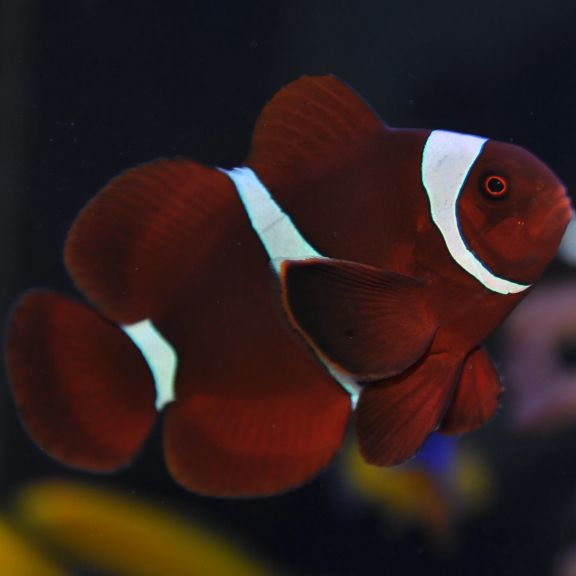
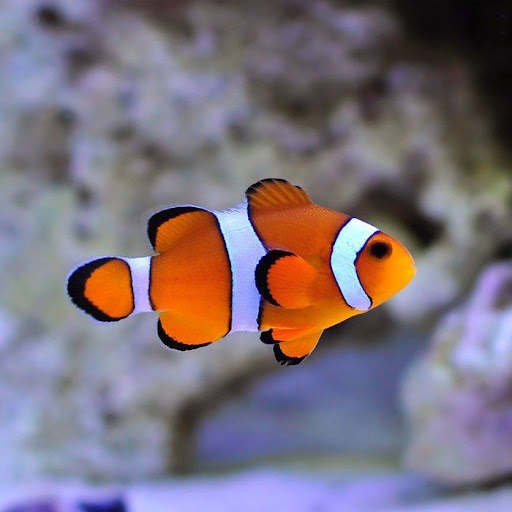
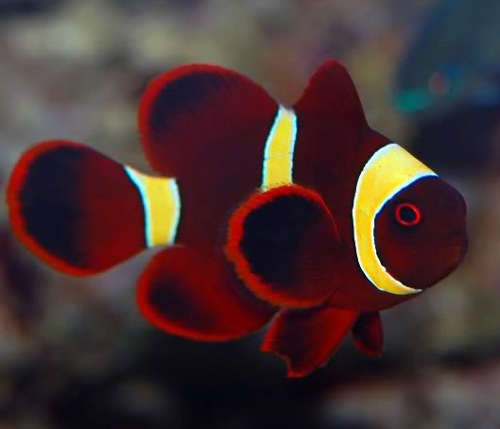
The Saddleback Clownfish grows up to 13 cm (5.1 in). The male is almost equal in size to the female. Its body has a stock appearance, oval shape, compressed laterally. The body color ranges from dark brown to yellow orange with two or three white bars. The white head bar is thick and located just behind the eyes. The snout and pectoral fins are orange yellow to brownish orange.
Diet and Feeding
The Saddleback Clownfish is omnivorous and its diet is based on zooplankton, small benthic crustaceans, and algae. In captivity it accepts a varied diet including flakes, brine shrimp, mysis shrimp, and pellets.
Behavior and Reproduction
It is a sequential hermaphrodite with a strict size-based dominance hierarchy. It is diurnal, aggressively territorial, and dependent on its host sea anemone. Both species of sea anemone which host this fish are known to bury themselves in the sand when stressed.
Aquarium Care
This species is semi-aggressive and territorial. It requires a tank of at least 30 gallons with abundant live rock. It is considered reef-safe. The protection of a host anemone is not required in an aquarium. It has been bred in captivity.
Conservation Status
Classified as Least Concern by the IUCN Red List.
Reviews
There are no reviews yet.