

| Parameter | Value |
|---|---|
| Lighting | Moderate |
| Water Flow | Moderate |
| Care Level | Easy |
| Temperament | Peaceful |
| Placement | Any |
| Origin | Fiji/Indonesia |
| Size | Small/Medium |
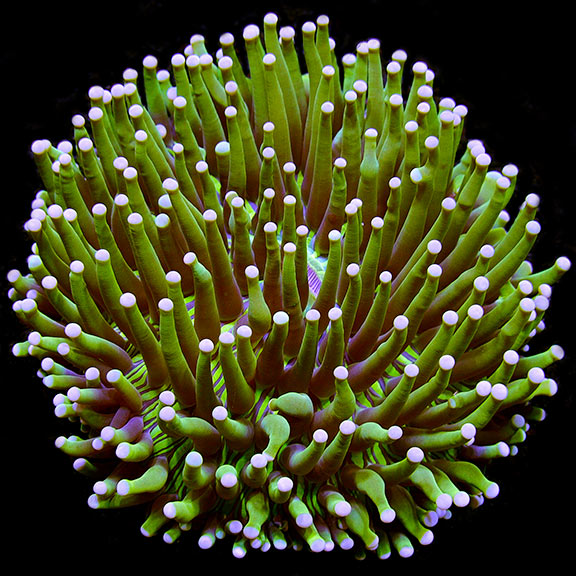
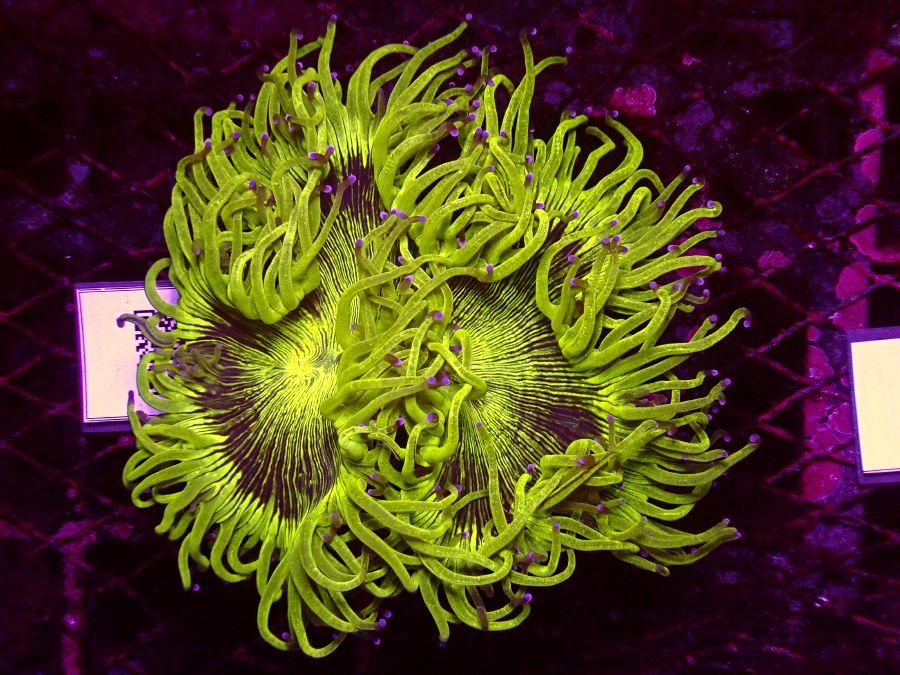
The Star Polyp (Clavularia sp.) is a popular soft encrusting coral celebrated by marine aquarists for its resilience, vibrant coloration, and rapid growth habits. This attractive species forms dense velvety mats across rock surfaces, creating a lush and dynamic living carpet of swaying star-shaped polyps.
Physical Description
This soft coral produces delicate eight-tentacled polyps that resemble radiant stars extending from a purple or pink encrusting base mat. The polyps typically display vibrant shades of fluorescent green or earthy brown with bright contrasting central mouths. When fully opened under good water movement, the colony creates a mesmerizing flowing meadow effect across the aquarium substrate.
Distribution and Habitat
Clavularia sp. is widely distributed throughout the tropical Indo-Pacific reefs, particularly around the warm archipelago waters of Fiji and Indonesia. It thrives in shallow lagoons, sheltered reef flats, and outer reef slopes where clear sunlight penetrates the water column.
Lighting and Flow Requirements
It requires moderate lighting levels to fuel its photosynthetic zooxanthellae and sustain vigorous colony expansion. Moderate water flow is essential to keep the base mat clean of detritus, promote gas exchange, and prevent nuisance microalgae from settling between neighboring polyps.
Feeding and Nutrition
While primarily reliant on internal symbiotic zooxanthellae for nutritional energy, it benefits noticeably from capturing dissolved organic nutrients, microplankton, and liquid coral foods suspended in the marine aquarium current.
Placement and Compatibility
Because of its peaceful temperament and adaptable nature, it can be placed at virtually any level in the tank. It is highly advisable to isolate colonies on separate rock islands to prevent them from encroaching upon slower-growing stony corals.
Conservation Status
Natural colonies remain abundant and robust across widespread Indo-Pacific reef systems. Sustainable collection standards help protect wild marine ecosystems. Classified as Least Concern by the IUCN Red List.


Reviews
There are no reviews yet.