
| Parameter | Value |
|---|---|
| Lighting | Moderate |
| Water Flow | Moderate |
| Care Level | Moderate |
| Temperament | Semi-aggressive |
| Placement | Sand bed |
| Origin | Philippines/Indonesia, Sri Lanka |
| Size | Small, Medium |
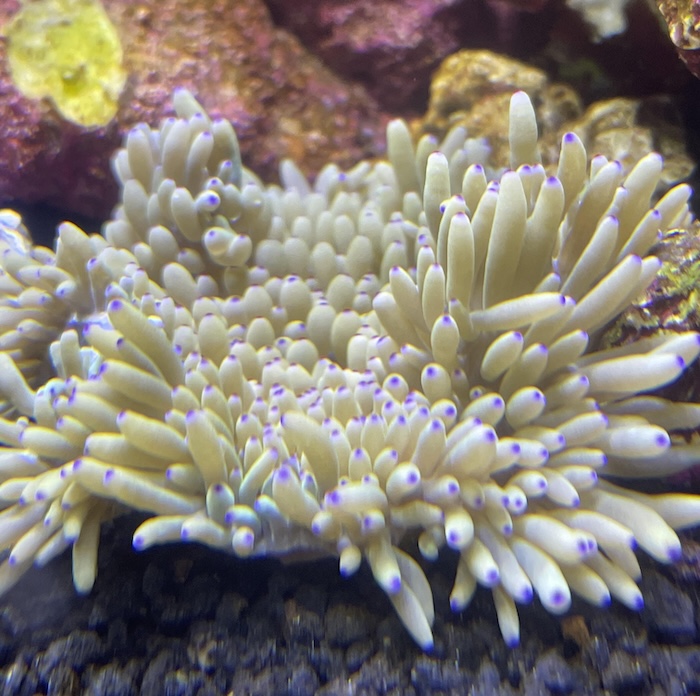
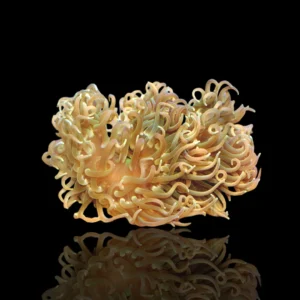
The Sebae Anemone (Heteractis crispa) is a classic host sea anemone celebrated for its long tentacles and delicate coloration. It is widely prized by marine hobbyists for forming natural bonds with clownfish. In established reef aquariums, it creates a fascinating and dynamic display.
Distribution and Habitat
Heteractis crispa is widely distributed across the Indo-Pacific, including the Philippines, Indonesia, and Sri Lanka. It inhabits sandy lagoons, reef flats, and outer slopes at moderate depths. It anchors its column deeply into soft sediment near hard reef structures.
Physical Description
This anemone features a broad disc carpeted with numerous slender tentacles often tipped with purple or blue. Its column is tough and covered with adhesive verrucae that anchor into sand. Healthy specimens expand into a full, voluminous crown under moderate lighting.
Diet and Feeding
Heteractis crispa contains symbiotic zooxanthellae that supply essential nutrition under moderate reef lighting. Supplemental feedings of chopped shrimp, scallops, and mysis shrimp enhance its vitality. Feeding once or twice per week satisfies its metabolic demands.
Behavior and Reproduction
The Sebae Anemone is a favored natural host for clownfish species such as Amphiprion clarkii. It possesses mild stinging cells for prey capture and defense against neighboring corals. Once settled in a sand bed, it generally remains stationary.
Aquarium Care
Husbandry requires a mature aquarium with stable water parameters and a deep sand bed. Moderate lighting and moderate, randomized water flow provide ideal conditions for health.
Conservation Status
Wild stocks of Heteractis crispa are widespread across Indo-Pacific reefs and managed sustainably. Ongoing reef conservation programs help protect natural colonies from overexploitation. Classified as Least Concern by the IUCN Red List.



Reviews
There are no reviews yet.