
| Parameter | Value |
|---|---|
| Diet | Herbivore |
| dKH | 8-12 |
| Maximum Size | 25 cm (9.8 in) |
| Minimum Tank Size | 100 gallons (379 L) |
| pH | 8.1-8.4 |
| Temperament | Peaceful |
| Temperature | 72-82 F (22-28 C) |
| Weight | Approximately 300 g (0.7 lbs) at maximum size |
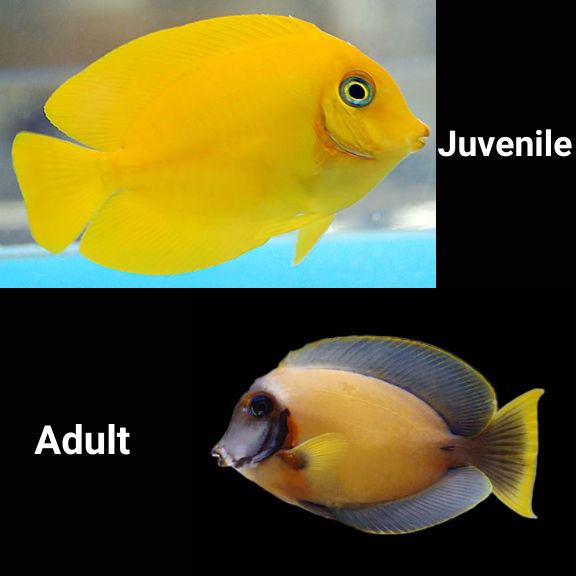
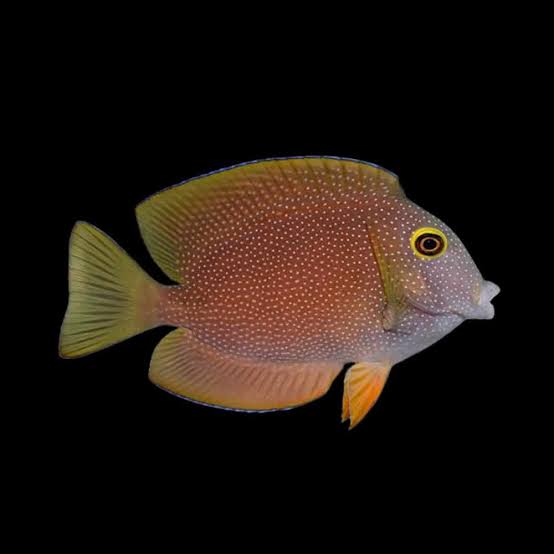
The Mimic Tang (Acanthurus pyroferus), also known as the chocolate surgeonfish or mimic lemon peel tang, is a species of marine ray-finned fish belonging to the family Acanthuridae. It is found in the Indo-Pacific region and is popular in the marine aquarium trade. Juveniles of this species mimic the appearance of dwarf angelfish (Centropyge) as a form of protective camouflage.
Physical Description
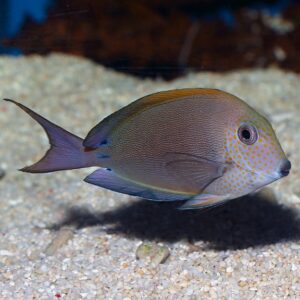
The Mimic Tang has an oval-shaped, laterally compressed body. Juveniles mimic the coloration and behavior of pygmy angelfish such as the lemonpeel angelfish (Centropyge flavissima) and the half-black angelfish (Centropyge vrolikii). As they mature, the coloration changes to a uniform dark brown to chocolate brown. The dorsal fin has 9 spines and 24-27 soft rays while the anal fin has 3 spines and 22-24 soft rays. This species reaches a maximum total length of 25 cm (9.8 in).
Distribution and Habitat
The Mimic Tang is found in the Indo-Pacific from the Marquesas Islands to the Great Barrier Reef, Indonesia, and the Philippines. It inhabits shallow coral reefs and lagoons at depths between 2 and 25 meters.
Diet and Feeding
The Mimic Tang is herbivorous, grazing on benthic algae and filamentous algae. In captivity, it should be offered a varied diet including marine algae, spirulina, and high-quality vegetable-based preparations.
Aquarium Care
The Mimic Tang requires a well-established aquarium of at least 100 gallons with abundant live rock for grazing. It is generally peaceful and can be kept with a variety of tankmates. Generally considered reef-safe.
Conservation Status
Classified as Least Concern by the IUCN Red List.
Reviews
There are no reviews yet.